
Key Functions
EMPOWERING TRADITION, FOSTERING DEVELOPMENT: THE KEY FUNCTIONS OF BATAU BA SELOANE TRADITIONAL COUNCIL.
The Batau Ba Seloane Traditional Council is involved in various functions and activities related to local governance, community development, and the preservation of cultural traditions. As we navigate through its various roles, from identifying community needs to participating in legislative processes, we uncover the resilience, collaboration, and a steadfast dedication to harmonizing tradition with progress. Let’s elaborate on each of the mentioned functions:
1. PROMOTING COMMUNITY INVOLVEMENT
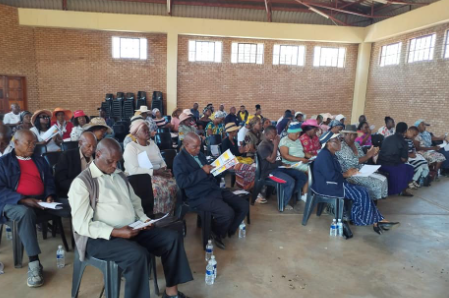
The Batau Ba Seloane Traditional Council serves as a bridge between traditional communities and the local government’s development initiatives. By actively promoting the inclusion of community members in the formulation of local government integrated development plans, the council ensures that the unique needs, aspirations, and cultural considerations of the people are integrated into the broader developmental framework.
2. IDENTIFYING COMMUNITY NEEDS
The ward councilor collaborates closely with the traditional council to ensure effective governance and community development. They engage in regular consultations to understand the unique needs and concerns of the traditional community. The councilor works with traditional leaders to incorporate indigenous perspectives into local policies and development plans. This collaborative approach fosters a harmonious relationship, allowing for the integration of traditional wisdom with modern governance practices. Together, they strive to address community challenges, promote sustainable initiatives, and enhance the overall well-being of the residents under Batau Ba Seloane villages or Ward 1 in Lepelle-Nkumpi Municipality

3. ENCOURAGING GOVERNMENT INTERVENTIONS
The council actively engages with government agencies, advocating for interventions that align with the development goals of the region. By fostering robust relationships with local, district, and national authorities, the council ensures that policies and programs are tailored to the unique context of Batau Ba Seloane. This collaborative approach aims to bridge the gap between community needs and government action.
4. PARTICIPATING IN DEVELOPMENT PROGRAMS
Acting as a proactive agent for change, the council participates wholeheartedly in various development programs initiated by Lepelle-Nkumpi Local Municipality, Capricon District Municipality and government bodies such as COGHSTA. This involvement spans diverse sectors such as education, healthcare, agriculture, and infrastructure. Through these collaborative efforts, the council contributes to the holistic development of the region, addressing key challenges and capitalizing on opportunities for growth.
5. ENCOURAGING INDIGENOUS KNOWLEDGE SYSTEMS
Recognizing the intrinsic value of indigenous knowledge, the council takes deliberate steps to promote and integrate traditional practices into contemporary development strategies. This involves creating platforms for elders and community members to share traditional wisdom, fostering sustainable agricultural practices, and incorporating indigenous healing methods into modern healthcare initiatives. The council believes that embracing cultural heritage enhances the resilience and sustainability of the community.
6. MANAGING COMMUNITY AFFAIRS
At the heart of its responsibilities, the council manages day-to-day community affairs with precision and cultural sensitivity. This includes overseeing cultural events, ceremonies, and rituals that are integral to the community’s identity. Additionally, the council serves as a mediator in dispute resolution, relying on traditional customs to ensure harmony within the community.
7. SUPPORTING TRADITIONAL LEADERS
Beyond its direct administrative functions, the council plays a supportive role for other traditional leaders within its assosiation. Through mentorship programs, knowledge-sharing sessions, and collaborative initiatives, the council ensures that traditional leaders are equipped to navigate the complexities of their roles. This support network strengthens the overall leadership fabric of the community.
8. POLICY DEVELOPMENT AND PARTICIPATION

Traditional leaders can actively contribute to the creation of policies that align with the needs and aspirations of their communities. Involvement in the legislative process ensures that the legal framework respects and integrates traditional values.
9. SERVICE DELIVERY AGREEMENTS
Collaborative agreements between traditional leaders and municipalities can improve the efficiency and effectiveness of service delivery to rural areas. These agreements may include provisions for infrastructure development, healthcare services, and educational initiatives.
10. EXERCISING POWERS UNDER CUSTOMARY LAW
The council executes its duties and exercises its powers under customary law with a profound sense of responsibility and adherence to constitutional principles. This involves presiding over customary courts, resolving disputes in accordance with traditional practices, and upholding the cultural integrity of the community. This dual commitment ensures that the council maintains the delicate balance between tradition and the legal framework of the nation.