
History of Batau Ba Seloane
BATAU BA SELOANE CHRONICLES: TRACING THE ROOTS AND RICH LEGACY
Take a simple yet fascinating journey through the past of Batau Ba Seloane. This story uncovers where we come from, the important moments in our history, and the lasting traditions that make our community special. From our beginnings to today, learn about the things that have shaped who we are. Join in on this exploration of our history, understanding the simple yet powerful threads that connect us, and celebrating the unique story of Batau Ba Seloane.

The children of Matlebjane (1) went from Swaziland to the Mokwena River in the year 1250 near the Dullstroom Mountains. When they were there King Matlebjane (I) had a son called Mokwena.
Mokwena ruled the Batau people after the death of Matlebjane I, and fathered Matlebjane II who reigned over his territory (somewhere in the Belfast area) for a long time until ninety years of age. Matlebjane II had five sons namely Seloane, Mogashoa, Phaahla, Masemola and Photo – being the last born. Each of the five sons had their own mothers, homesteads and families accordingly, meaning resources where shared amongst the families.
Matlebjane (II’s) wives and sons felt that they were unfairly treated when they realized that taxes, levies and rates (known as dibego) continued to be taken to the family of Photo, as Matlebjane II loved Photo’s mother (his 5th wife) very much. This unsettling issue compelled sons to plot a sinister plan of killing the Old Man, their father. Since Photo was young, the other four brothers were able to convince and persuade Photo on agreeing to the plan, sighting that Matlebjane (II) was demented, old, and a threat to the existence of Batau’s reign. Then the four of them secretly called each other without Photo’s knowledge and agreed that their spears would be bent at the tip and folded when piercing and stabbing their father. Thus only Photo’s spear would pierce and kill the Old Man. They then called Photo and all agreed that they had to kill the Old Man at night in his sleep. When the time came, they drew their spears and charged at him. While Seloane, Mogashoa, Masemola and Phaahla pretended that their spears were stabbing, it was Photo who fatally stabbed Matlebjane (II) and killed him. Before dying the old man screamed with excruciating pain and disbelief saying the words “Photo! How could you kill me my son?” The other sons shouted in the royal kraal, telling people that Photo killed the Old Man. From there the public knew that it was Photo who killed King Matlebjane II and they rebelled against him (Photo).

The eldest son of King Matlebjane (II) Seloane was supposed to take over reigns of the Batau Kingdom. However, the brothers started fighting amongst themselves and the community had suspicions, and eventually, found out how Matlebjane was killed. As a result, the unity of the Batau community was disrupted, leading to a division among the sons, and the Batau people dispersed. The power struggle that emanated from the intensified conflict lead to the brothers scattering and going separate ways, each with their families and followers.
Seloane and his clan settled among the Lekala community and ruled them together with his people. The Lekala’s gave him a wife who gave birth to Moopong and went on to fortify the kingdom of Seloane. Moopong Seloane then fathered Sepeke and Ramphelane.
By this time, they had migrated and settled at an area which is ± 150 km north of Belfast and named it Moopong. As he was the eldest, Sepeke (I) naturally became the leader of the Batau Ba Seloane clan. Rampelane lead a well-organized regiment that was formed from his initiation school mates (Mphatho), collectively named Mangana, to defend the Seloane clan against all offences. Sepeke’s initiation school mates (Mphatho) on the other hand were collectively named Madisa.

After being victorious in a battle they fought against the Mashabela’s, Rampelane and his regiment realized that they had more power and military strength so they turned their focus and headed to Moopong to overthrow Sepeke and the Madisa. Sepeke got a timely tipoff and fled from Moopong with his Madisa and followers. At their arrival, Ramphelane and the Mangana took over the land and called it Manganeng. Ramphelane became Chief of Manganeng and adopted Nkadimeng (a name earned during his battles) as his surname. The Nkadimeng clan was born, which lost their Seloane surname after the brothers’ internal conflicts.

Sepeke (1) left Manganeng with Madisa and his followers and settled at a huge rock which was known to them as Leswika La Makgopho , but known today as Letlapeng Laga Marishane located near the Jane Furse road (R579) in Ga-Marishane. The rock was used to count the people especially during wars and initiation schools, where the king was able to see if it is possible to go to war or to have an initiation school ceremony. It is said that the king would not continue with his plans if the rock’s outskirt was not completely circled by individuals needed for war or initiation school. Sepeke kept sending spies in Manganeng to know if whether Manganeng was still out to get them. He also consulted with his oracle and spiritual leaders about the possibilities of clashing with Chief Ramphelane Nkadimeng and his Mangana.

Fearing an eminent confrontation and clash, the Seloane people left and went further away to be exiled in Ga-Masemola. King Maboe Masemola said “brother settle here, no one will attack you on my watch”, as Masemola was fierce. Hence Sepeke Seloane was never attacked by anyone until King Masemola said “brother your people have now multiplied and it should be safe for you to find your own land and settle across the Olifants River. The Seloane clan settled at Sepitsi Mountain before heading to Thabamoopong (present day Lebowakgomo). Sepeke (I) had sons Makgope (I) and Mpyane respectively, however, Sepeke (I) and his son Makgope (I) both passed away before Makgope (I) could properly rule over the Seloane people. His brother Mpyane was automatically installed as the leader with the duty of leading the Seloane clan and being a seed raiser for the royal kraal of Makgope (I).
Mpyane and the Seloane clan left Thabamoopong and settled in Moletlane, where Kgoshi Kekana presided. Although there was no hostility between the two chieftaincies, Kgoshi Kekana (of the Matebele) gave the Batau Ba Seloane a piece of land called Sekgophokgophong because their cultures and traditions were quite different, particularly during initiation schools. As a seed raiser, Mpyane procreated on behalf of the late Makgope (I) and fathered Kgoshi Sepeke (II), who began his reign at Sekgophokgophong. Sepeke (II) left with the Seloane clan and continued his reign at Bošutša for a lengthy period before his demise, but had an heir named Makgope (II).
Not long after his father passed away, Makgope (II) suffered almost the same fate as Makgope (I). Although he had a wife (his lover, not candle wife), he died without an heir. However, his half-brother, Phasoane took over the control of Batau Ba Seloane and became a seed raiser for the late Makgope (II) according to customary law. He settled in Makgophong and ruled for a very long period of time, where he was able to revive Makgope’s royal kraal with Mmudi, the candle wife who gave birth to Kgoshi Sepeke (III).

The acting chief Phasoane died in 1943 and he presided over 6 initiation schools during his lifetime. The collective names of those schools were Mapulane (1906), Mangoko (1914), Mangana (1922), Madisa (1929), Mangana (1935) and Dithaga in 1943, the year which Kgoshi Sepeke (III) was appointed. Kgoshi Sepeke (III) left with the Seloane community from Makgophong after the conflict with the Matebele of Moletlane and settled in Malatane (also given the name Moopong). King Sepeke (III) presided over 6 initiation schools during his lifetime. The collective names of those schools were Makgalwa (1951), Mapulana (1959), Matlakana (1964), Maswene (1971), Mangoko 1975 and Mankoe (1980). He married a candle wife named Moshiane, but because of infertility issues, they went to Manganeng to marry Ngwanamohube, the first daughter of Kgoshi Phasoane Nkadimeng.
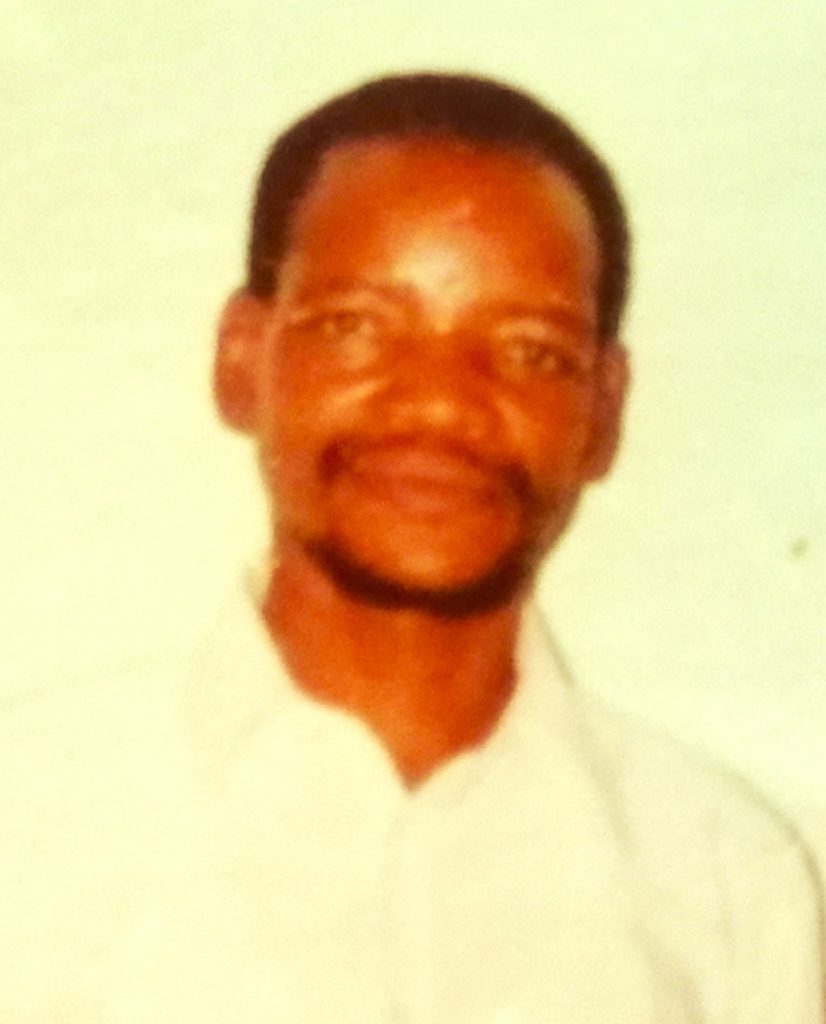
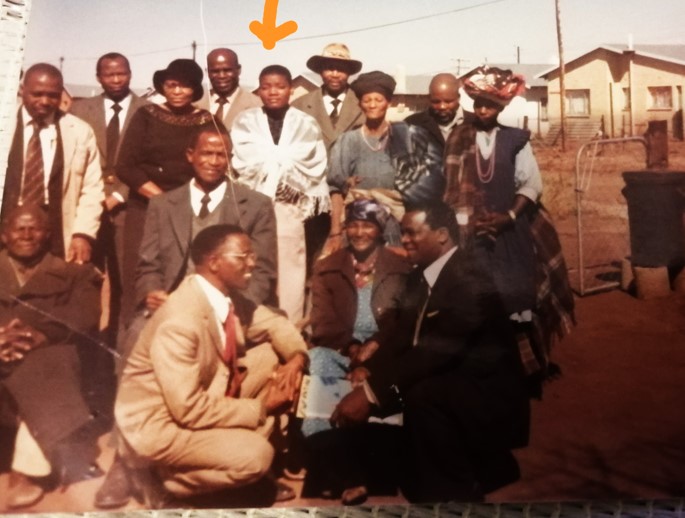
Unfortunately kgoshi Sepeke (III) died in 1981 without having an heir. Ngwanamohube’s marriage was completed by the royal family together with the Seloane community on behalf of the late Kgoshi Sepeke. She was then appointed as the acting chief of Batau Ba Seloane and became Kgoshigadi Ngwanamohube Seloane.
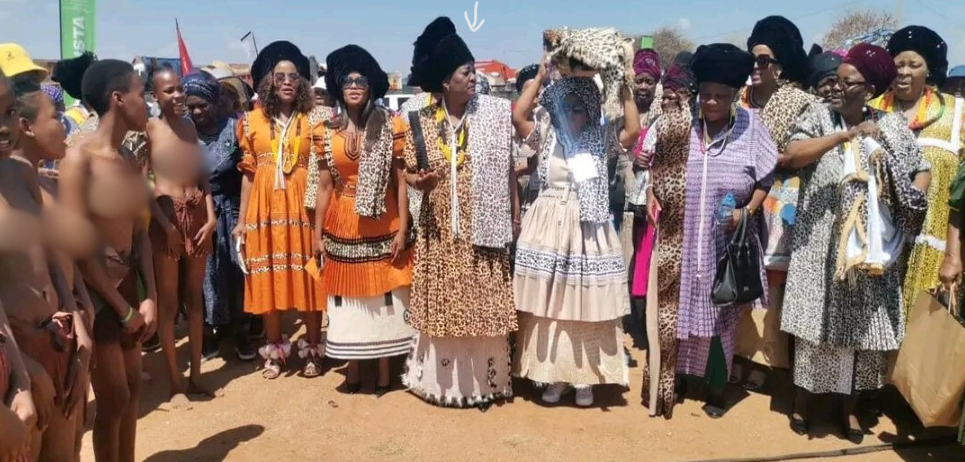
Kgoshigadi Ngwanamohube Seloane presided over Batau Ba Seloane from 1983 to 2018 before relinquishing her powers to her son Kgoshi Makgope (III) Seloane who is the son of Kgoshi Sepeke (III) and Ngwanamohube in terms of customary law.
Kgoshi Sepeke’s younger brother, Nthepeng Seloane was the seed raiser and revived the late chief’s royal kraal, family and legacy. After almost 40 years as the leader of Batau Ba Seloane, Kgoshigadi Ngwanamohube can be seen on the picture below with her entourage carrying a leopard skin (lethebo) to reliquish her chieftaincy to Makgope III.
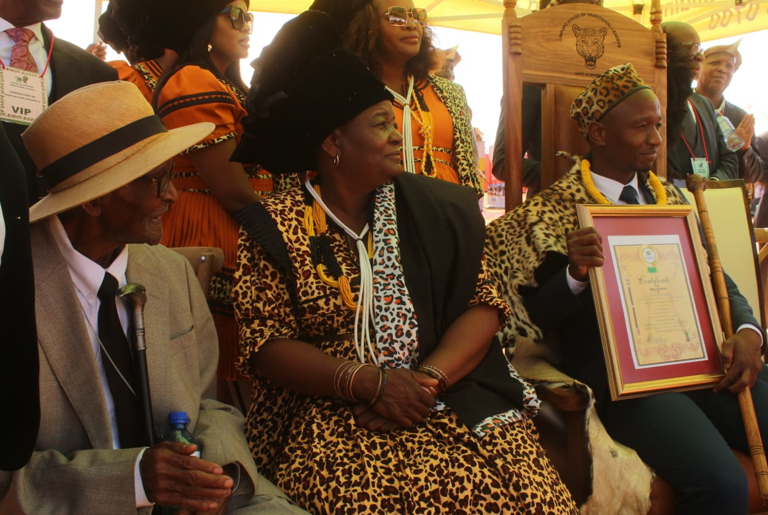
Kgoshi Makgope III has been the chief of the Batau Ba Seloane since 2018 and was officially inaugurated as the leader in 2023. He reigns over Malatane, Byldrift, Mmotwaneng, Kgwaripe and Kliphuewel with the help of royal members (bakgoma, bakgomana, bo rangwane le diKgadi), 5 headmen (Mantona) and his staff members, officially known as Batau Ba Seloane Traditional Council.