
Background Of The Traditional Council
HISTORY AND BACKGROUND OF BATAU BA SELOANE TRADITIONAL COUNCIL
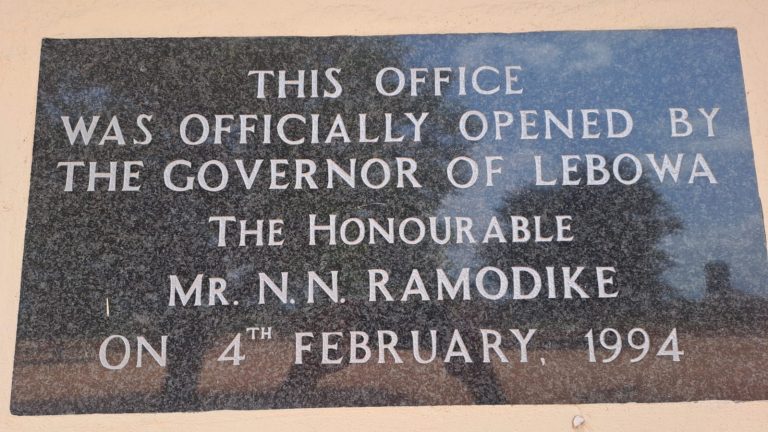
The Batau ba Seloane Traditional Council holds a rich history rooted in the cultural fabric of its community. Officially opened on February 4, 1994, by the esteemed Governor of Lebowa, The Honourable Mr. NN Ramodike, the council emerged as a symbol of traditional leadership and a beacon for community development. The Batau ba Seloane Traditional Council is centrally located at Moshate Street, near the community hall and the royal house in the heart of Malatane, Ga-Seloane. This specific address anchors the council within the community, providing a dedicated space for cultural activities, decision-making, and community engagement.
Malatane, Ga-Seloane, falls under the jurisdiction of the Lepelle-Nkumpi Local Municipality, which is situated within the broader administrative umbrella of the Capricorn District Municipality. This administrative alignment reflects the cooperative efforts between the traditional council and local government entities to address the needs and aspirations of the community. Geographically, Malatane is positioned 220 kilometers northeast of Pretoria, making it an integral part of the broader Limpopo province. Additionally, it is situated 35 kilometres from Lebowakgomo and 82 kilometers south of Polokwane, the provincial capital.
Contributions to Leadership Success and Community Well-being
Since its establishment, the Batau ba Seloane Traditional Council has played a pivotal role in fostering effective leadership and enhancing the well-being of its community. Through a commitment to preserving cultural values and traditions, the council has created a strong sense of identity and unity among the people of Batau ba Seloane.
The council actively engages in resolving disputes, ensuring the fair allocation of land for residence, and participating in governmental activities that impact the community. By acting as a liaison between the local government (Lepelle-Nkumpi Local Municipality) and the people, the council has successfully advocated for the interests of Batau ba Seloane, contributing to the overall development and prosperity of the region.
Long-term Duties of the traditional council
The Batau ba Seloane Traditional Council has taken on the enduring responsibility of maintaining stability within the community. Through judicious land management and strategic engagement with governmental activities, the council ensures that the residents have access to essential resources and opportunities for sustainable living.
The council is dedicated to providing land for residence, recognizing the importance of secure housing as a foundation for community growth.Furthermore The council is dedicated to providing land for farming and various businesses recognizing the importance of food security and economic prosperity for the community. By actively participating in government initiatives, the traditional council influences policies that positively impact the lives of its constituents, fostering a harmonious relationship between tradition and modern governance.

A Force for Social, Cultural, and Economic Growth
As a steadfast force for social, cultural, and economic growth, the Batau ba Seloane Traditional Council continues to champion initiatives that uplift the community. The council promotes educational programs, cultural events, and economic development projects, empowering the residents to thrive in a dynamic and changing world.
Through their unwavering commitment to preserving cultural heritage, the council ensures that traditional practices and values are passed down to future generations. This dedication to cultural continuity fosters a strong sense of pride and identity among the community members.
The Batau ba Seloane Traditional Council stands as a testament to the resilience and strength of traditional leadership. Since its inception in 1994, it has not only maintained stability and provided for its residents but has also actively contributed to the social, cultural, and economic growth of the Batau ba Seloane community.